3 Colors of Grass
A Subtle Elegance for Boutique Apparel
As an embroidery designer with years in the boutique and custom apparel space, I’ve had the chance to work with countless machine embroidery designs. Recently, I came across 3 Colors of Grass, a floral-inspired pattern that immediately caught my eye. It’s not your typical leaf design—it brings a quiet strength and natural texture that feels both modern and timeless.
First Impressions: A Visual Mood
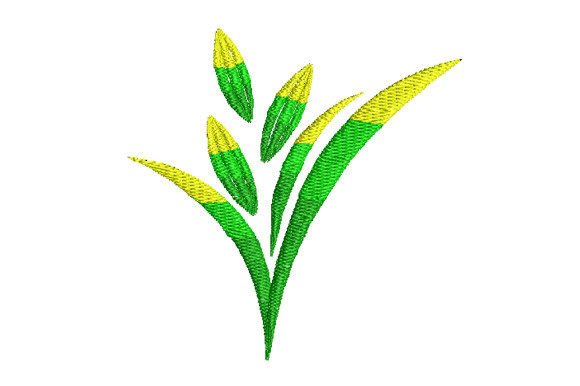
The first thing I noticed about 3 Colors of Grass is its visual personality. It has a soft, organic feel, with three distinct shades of green that mimic the layered look of grass in a field. The design isn’t overly detailed, which makes it versatile for different applications. It doesn’t shout for attention but rather invites you to look closer, offering subtle depth and dimension. This makes it ideal for those who want a premium touch without being too bold.
I found the stitching mood to be calming and grounded, perfect for adding a nature-inspired element to a collection. Whether you’re going for a rustic or minimalist aesthetic, 3 Colors of Grass fits seamlessly into either. Its decorative strength lies in its simplicity—there’s no overwhelming detail, just a clean, elegant representation of nature that feels handcrafted yet digital.
Sweatshirt Embroidery: A Versatile Choice
When considering 3 Colors of Grass for sweatshirt projects, I thought about how it might look on neutral backgrounds. On a classic gray or white sweatshirt, it adds a subtle pop of texture and color. It works especially well when placed on the chest or back, where it can stand out without overpowering the garment.
For sweatshirt embroidery, I recommend testing the design on scrap fabric first to see how it interacts with the fabric texture. Since this is a machine embroidery design, the choice of stabilizer and hoop size will play a big role in the final result. I also suggest checking the stitch density to ensure it looks clean and professional on the finished product.
Hoodie Design: A Playful Accent
On hoodies, especially pastel-colored ones, 3 Colors of Grass becomes more than just a design—it becomes a statement. When placed on the chest or sleeve, it adds a playful yet refined touch. It pairs beautifully with softer colors, creating a balance between the natural elements and the garment’s palette.
For hoodie design, consider using it as a secondary accent. It can complement a more intricate main design or serve as the focal point on simpler pieces. The key is to maintain visual consistency across your collection, ensuring that each piece feels cohesive and intentional.
Tote Bag Design: A Minimalist Statement
When thinking about tote bags, 3 Colors of Grass offers a fresh alternative to traditional floral patterns. It’s less about flowers and more about the texture and movement of grass, making it a great fit for a minimalist or rustic aesthetic. It can be applied to the front or side panel, depending on the bag’s design.
Since tote bags are often made from thicker fabrics, it’s important to test the design on similar materials. This ensures that the embroidery holds up and maintains its quality through repeated use. For printable mockups, I recommend using high-resolution images to preview how the design will look on the final product.
Custom Apparel: Brand Identity Meets Nature
For custom apparel and boutique brand collections, 3 Colors of Grass provides a unique opportunity to connect with customers who appreciate natural aesthetics. It’s a great choice for those looking to build a handmade product line that feels authentic and grounded.
This design can enhance brand identity by offering a consistent visual language. Whether used on t-shirts, denim jackets, or seasonal outfits, it creates a sense of cohesion that helps reinforce your brand’s image. It also builds buyer trust by showing attention to detail and a commitment to quality.
Practical Notes for Embroidery Designers
Before diving into production, there are a few practical considerations to keep in mind. First, always test the design on scrap fabric to see how it behaves on different fabric textures. Second, check the stitch density and ensure it matches the intended application. Third, confirm the hoop size and stabilizer type to prevent issues during embroidery.
If you’re planning to sell the finished product, make sure to review the license terms and digital embroidery file details provided by Creative Fabrica. Understanding the commercial embroidery rights is essential for any small shop product or Etsy seller.
Where to Use with Care
While 3 Colors of Grass is versatile, it’s not without its limitations. It may not perform well on dense stitch areas or stretchy fabrics like fleece and ribbed materials. Dark garments can also pose a challenge, as the design may not show up clearly unless the thread colors are carefully chosen.
Additionally, curved surfaces or tiny lettering should be approached with caution. Always test placement options before committing to a design, and consider how the embroidery will hold up over time. These small details can make a big difference in the final product’s appearance and durability.
Final Thoughts: A Thoughtful Addition to Your Collection
3 Colors of Grass is more than just another embroidery pattern—it’s a thoughtful addition to any custom apparel or handmade product line. Its subtle elegance and natural inspiration make it a valuable tool for designers looking to create something unique and meaningful.
Whether you’re working on sweatshirt embroidery, hoodie design, or tote bag design, this pattern offers a fresh perspective on how to incorporate nature into your work. With careful planning and execution, it can elevate your brand and create a lasting impression on your customers.